Reasons why you should Choose PVC Waterproofing Membranes
Waterproofing is one of the critical components of safeguarding a building from damages by moisture, leakage of water, and gradual deterioration of structures. Regardless of the type of facility, whether it is a residential property, commercial building, balcony, roof, or basement, appropriate choice of waterproofing method determines how durable and effective a building will be.
Among various options for waterproofing, PVC Waterproofing Membranes are becoming more widely used due to flexibility, durability, resistance to water impacts, and efficient operation. The membrane is designed to protect buildings from the intrusion of water and help building owners avoid repair expenses and maintenance problems in future.Choosing a reliable waterproofing company in Melbourne can help property owners identify suitable waterproofing solutions and ensure professional application for long-term building protection.
However, what makes PVC membranes a widely used waterproofing method? Is it effective in all kinds of buildings and how it is better in comparison with standard waterproofing materials? In this tutorial we will examine the main benefits of PVC waterproofing membranes and prove that this waterproofing solution is perfect for residential and commercial buildings.
What Are PVC Waterproofing Membranes?
PVC (Polyvinyl Chloride) waterproofing membranes are synthetic sheets that are utilized for waterproofing purposes to obstruct the infiltration of water into buildings. The waterproofing membranes are designed from durable materials made of PVC which provides the membranes with high resistance to water, pollution, and some chemicals.
The membranes find application in diverse areas such as terraces, parks, basements, building foundations, balconies, etc. The installation process of the membrane involves surface preparation, laying the membrane, and welding membranes together in overlapping sections through heat welding to ensure a continuous waterproof layer.
The key feature distinguishing PVC membranes from other conventional waterproofing methods is the fact that they form a layer of waterproofing that does not lose its functional characteristics due to the movement of the buildings.
For the owners of properties who are in search of reliable methods of waterproofing, PVC membranes offer an excellent combination of functionality, flexibility, and durability.
1. Excellent Water Resistance and Leak Protection
The waterproofing system is mainly used to stop the entry of water into a building, and PVC membranes have been made specifically to achieve that.
The unique sheets that form the membranes act as a safety barrier that blocks the water in the form of rainwater, groundwater or moisture.
With proper installation, the membrane sheets are fused at their edges, making the connections strong enough to eliminate the chances of water getting through the seams.
This is the reason why PVC waterproofing is suitable for the following structures:
- Flat and low-sloping roofs
- Basement walls and foundations
- Balconies and terraces
- Industrial buildings
- Places prone to water accumulation
This way, PVC membranes help to prevent the damage caused by water to internal areas of buildings, construction materials and parts of structures.
2. High Durability and Long-Term Performance
Waterproofing requires the use of materials suitable enough to endure constant exposure to the environment. PVC waterproofing membranes are known for their reliability and ability to withstand constant moisture and humid conditions.
The membranes ensure their waterproofing properties if installed and maintained according to the recommendations issued by the manufacturers.
Thanks to their durability, these materials are good for home and commercial purposes when constant protection is important.
Not only does the installation of such waterproofing system guarantee the scarce need for its repair, but it also helps save money since it requires less frequent maintenance.
3. Flexibility to Accommodate Building Movement
Due to temperature fluctuations, settling and expansion or contraction of certain structures, buildings have to bear certain minor movements from time to time, which can cause small fissures in rigid waterproofing systems and allow moisture to intrude.
A key advantage of PVC membranes for waterproofing is their flexibility; they are able to cope up with some movement of structures without immediately jeopardizing the waterproofing protection.
Flexibility of PVC membranes is especially useful in the following areas:
- Balconies and external floorings
- Basement structures
- Foundation and retaining walls.
Because of their flexibility, PVC membranes allow for maintaining a reliable waterproof barrier and minimize chances of water leakage; however, right installation and proper detailing at the corners, joints, any penetrations and drains is a must to achieve great results.
4. Resistance to Weather and Environmental Exposure
Waterproofing products must resist more than just water. Sunlight, temperature changes, rainfall and exposure to the elements can affect the efficiency of some waterproofing systems over a period of time.
PVC membranes work effectively under different environmental influences. According to a particular membrane specification, some membranes can boast of UV resistance, which makes them appropriate for application on roofs exposed to elements.
This is especially relevant for Australian buildings with roofs, terraces and balconies that are exposed to sunlight along with some rainfall for a longer period of time.
To avoid penetration of moisture further into the structure, the proper membrane system should be chosen.
One should also bear in mind that not all PVC membranes are designed for all conditions, thus choosing the right membrane may produce excellent results.
5. Versatile Applications Across Different Structures
Another point for selecting PVC waterproofing membranes is their flexibility. Depending on the type of membrane and installation requirements, the membranes can be used in various construction and waterproofing applications.
The main uses of PVC membranes include the following:
Waterproofing of Roofs: PVC membranes can be used on suitable flat and low-slope roofs to build a protective layer.
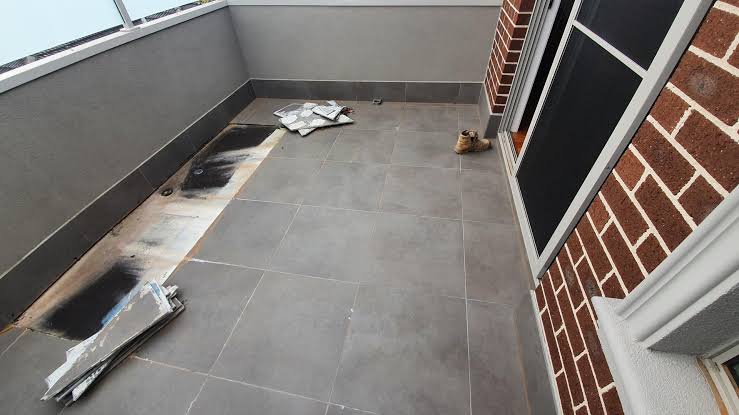
Waterproofing of Balconies: The membrane is useful in protecting balcony structures from moisture entering the structure through the surfaces and joints.
Waterproofing of Basements: Depending on the particular membrane type, the system can withstand groundwater and moisture on the underground structures.
Waterproofing of Foundations: PVC membranes can provide extra protection from moisture penetration through foundations.
Waterproofing in Commercial Buildings: Strong and durable PVC membranes are suitable for some industrial and commercial buildings. When a property has a leaking balcony, a damp basement, or any other problems with the moisture, it is important to choose a waterproofing solution for that property.
6. Heat-Welded Joints for Reliable Sealing
The quality of the waterproofing is not determined solely by the membrane but also by how the parts of the membrane are joined together.
In most cases, PVC membranes for waterproofing are connected through the process of hot-air welding. Once the edges of the sheets come into contact with hot air, they are heated up enough to flow and be connected.
The use of the correct heat-welding technology allows achieving durable and reliable joints that will prevent water from penetrating along the seams.
The success of waterproofing applies to:
- Outlet drains
- Corners and edges
- Joints
- Penetrations of pipes
- Connections from wall to the floor
Poorly made joints can turn into possible leakages, and this is why the workmanship and inspection must be of high quality.
7. Reduced Maintenance and Repair Requirements
The recurring waterproofing issues can become costly, especially once water gets into walls, ceilings, floors or the structure itself. PVC waterproofing membranes can cut down on maintenance since they offer a tough waterproofing barrier put in place all at once.
By doing proper product selection, proper installation and regular checks, the owners can lower their chances of leaks and damage.Choosing an experienced waterproofing company in Melbourne can also help ensure the right waterproofing solution is selected and professionally installed.
Irrespective of all of the above mentioned, there is no waterproofing system which can be said to be completely maintenance-free. Things like drainage openings, surface conditions, joints and exposed areas have to be checked from time to time so that potential problems don’t turn into serious ones.
8. Helps Protect Structural Integrity and Property Value
Water penetration can cause damage to the vital parts of a property. Over time, water can damage concrete, corrode steel reinforcement, create mould and mildew, cause paint peeling and damage the interior finishing.
Water problems can result in various issues extending from threat to safety to reduced value of a building.
It is important to take care of waterproofing to ensure that moisture doesn’t reach sensitive parts of the property. PVC membranes are among the possible solutions.
Professional building waterproofing applications play an important role in waterproofing of balconies, basements, retaining walls and any other places exposed to water.
At WetProofing, they use a systematic approach which involves identification of the source of water ingress in each particular case which makes them a top waterproofing company in Melbourne.
Final Thoughts
The advantages of using PVC waterproofing membranes include their good properties to resist water, high flexibility, durability, resistance to the weather, and great versatility. When installed and employed in the correct manner, PVC waterproofing membranes can give protection to the buildings against the effects of moisture and prevent great losses that may occur due to water infiltrations.
But the success of the waterproofing work depends not merely on the material being used. The assessment process, choice of the right product, quality of the work, and attention to every detail matter.
If you are suffering from water penetrating into your house, choosing a well-experienced waterproofing contractor would probably help you find the right way to fix the problem.
Are you looking for quality waterproofing solutions in Melbourne? If so, consult WetProofing. We can help you with choosing the right way of waterproofing your house.