Leak Detection Reports in Melbourne
Concerned about a hidden leak, unexplained dampness or recurring water damage? WetProofing can help you discuss leak investigation and reporting requirements for your property.
Understand the observed issue, possible sources of water ingress and the next steps that may be required.
What Is a Leak Detection Report?
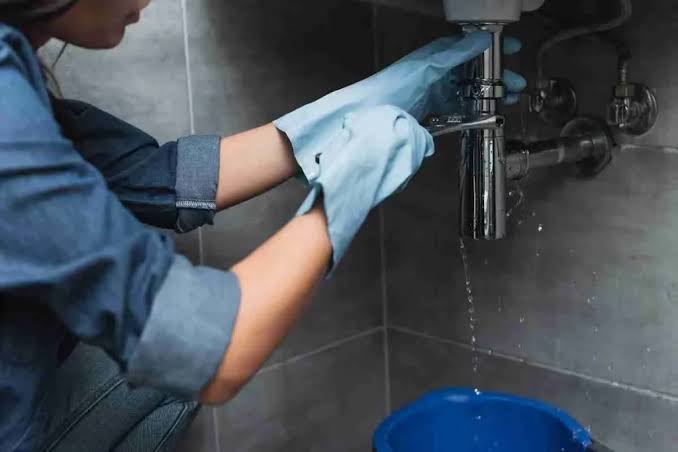
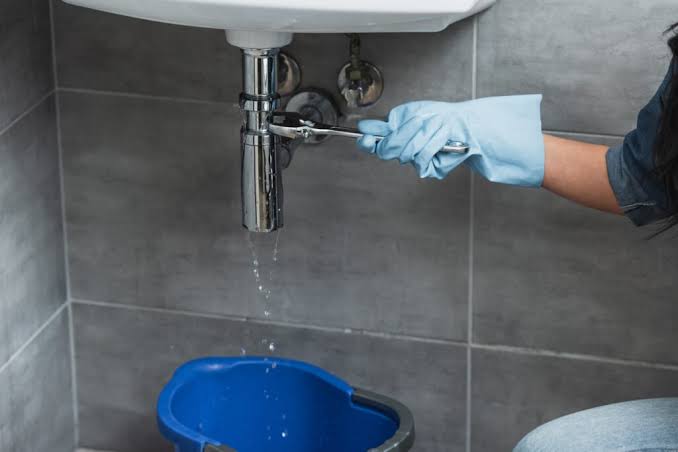
A leak detection report records relevant observations from an investigation into suspected water leakage or moisture. Depending on the scope of the inspection, it may describe affected areas, visible symptoms, investigation methods, findings and recommended next steps.
Reports can help property owners, managers and other stakeholders understand a suspected leak and determine whether further testing, specialist assessment or repair work is required.
- Document visible water damage and affected areas
- Record findings from the agreed inspection scope
- Identify possible sources where evidence supports them
- Outline recommended next steps where appropriate
When Might You Need a Leak Detection Report?
A report may be useful when a property has recurring moisture problems or the source of a leak is not immediately clear.
Unexplained Dampness
Damp patches, peeling paint or water marks appearing without an obvious source.
Recurring Water Leaks
Leaks that return after temporary repairs or continue to affect the same area.
Bathroom or Balcony Leaks
Water appearing around wet areas, balconies, adjoining rooms or exposed surfaces.
Property Maintenance
Documentation that may help owners or property managers plan further investigation.
Suspected Hidden Leaks
Possible moisture issues behind walls, under floors or around building junctions.
Repair Planning
Information to help determine whether specialist testing or repair work is needed.
What Can a Leak Detection Report Include?
The report contents depend on the agreed scope, the property and the investigation methods used. Where applicable, documentation may include:
- Property and inspection details
- Description of reported concerns and affected areas
- Relevant observations and inspection findings
- Photographs or supporting records, where taken
- Possible source of leakage where supported by evidence
- Recommendations for further investigation or repairs
Report scope: A report may not conclusively identify every hidden leak. Further specialist testing or assessment may be needed if the source cannot be confirmed during the initial investigation.
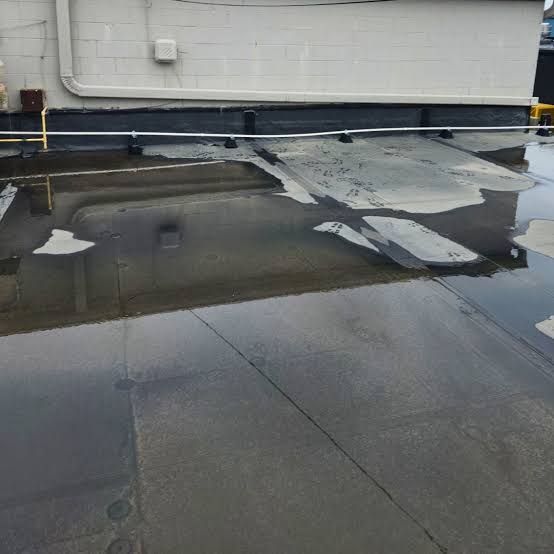
Leak Investigation for Different Properties
Water ingress can affect a range of buildings and surfaces. The appropriate investigation depends on the property, the symptoms and the suspected source.
- Residential houses and apartments
- Bathrooms, showers and wet areas
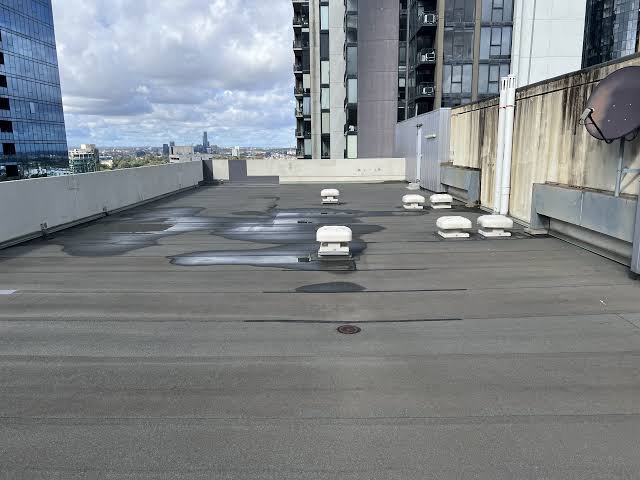
- Balconies, terraces and rooftops
- Commercial buildings and business premises
- Concrete walls, joints and retaining structures
- Shared properties managed by owners or body corporates
Where a matter requires plumbing, structural or other specialist expertise, additional assessment may be necessary.
How the Leak Reporting Process Works
The process and available findings depend on access, the suspected leak and the agreed inspection scope.
Discuss the Issue
Explain the symptoms, property location and areas affected by moisture.
Inspect the Area
Review accessible areas and relevant visible signs of water ingress.
Document Findings
Record observations and findings within the agreed scope of work.
Discuss Next Steps
Review possible actions, additional testing or repair considerations.
Why Investigate Water Leaks Early?
Unresolved moisture can damage building finishes and may contribute to the deterioration of some materials. Investigating a suspected leak can help clarify what is happening and whether further work is needed.
- Understand the reported issue and affected areas
- Help plan appropriate repair or maintenance work
- Document observations for property records
- Identify when specialist testing may be needed
- Help avoid relying solely on temporary surface repairs
The usefulness of a report depends on the investigation scope, site access and the evidence available.
Leak Detection Reports FAQs
Answers to common questions about leak investigation and reporting in Melbourne.
What is a leak detection report used for?
A leak detection report documents relevant observations and findings from an investigation into suspected water ingress. It may help property owners understand the issue and plan further investigation or repairs.
Can a report identify the exact source of every leak?
Not always. Some leaks are concealed or intermittent and may require specialist testing, additional access or further investigation before the source can be confirmed.
Can I request a report for a bathroom or balcony leak?
You can enquire about suspected leaks in bathrooms, balconies and other building areas. The available inspection and report scope will depend on the issue and the service agreed for your property.
Will the report include photographs?
Photographs may be included where they are taken and form part of the agreed reporting scope. Confirm the expected report contents when arranging the service.
Can I use a leak detection report for an insurance claim or dispute?
Requirements vary by insurer, body corporate and the circumstances of the matter. Confirm the required report type and qualifications with the relevant organisation before booking. Do not assume a general report will meet every requirement.
How do I enquire about a leak detection report in Melbourne?
Call WetProofing on 0431 669 002 or visit our contact page. Describe the property, the symptoms and any previous repair attempts so the required scope can be discussed.
Need a Leak Detection Report?
Contact WetProofing to discuss your suspected leak, affected areas and reporting requirements. We can help you understand the next steps for your property.